

Medical-led assessment and treatment for facial puffiness, puffy cheeks and round-face concerns
At Skin and Scar Care Clinic, we offer personalised assessment and treatment for puffy cheeks, facial puffiness, cheek fullness, round-face appearance and lower-face heaviness.
Puffy cheeks can happen for many reasons. In some clients, the concern is caused by facial anatomy or excess cheek fat. In others, it may be related to fluid retention, allergies, medication, previous filler, lymphatic congestion, weight changes, inflammation or an underlying medical condition.
Because the cause can vary, we always recommend a careful consultation before treatment.
Our treatment options may include:
- Medical history review and GP referral where needed
- Assessment for fluid retention and swelling
- Review of previous dermal filler and possible filler migration
- Ultrasound assessment where appropriate
- Hyaluronidase dissolving for suitable hyaluronic acid filler-related puffiness
- Endolift® for selected facial fat, lower-face heaviness and skin tightening
- Skin tightening and collagen-stimulating treatments
- CO₂ laser or Erbium Glass laser where skin laxity and texture are present
- Bio Remodelling / Bio Stimulator, Bio Remodelling / Bio Stimulator Structura or skin bioremodelling where tissue quality needs support
- Anti-wrinkle injections for masseter-related lower-face widening where appropriate
- Combination treatment for facial contouring and balance
- Surgical referral where non-surgical treatment is not suitable
Our approach is medical, cautious and focused on natural-looking improvement.
What are puffy cheeks?
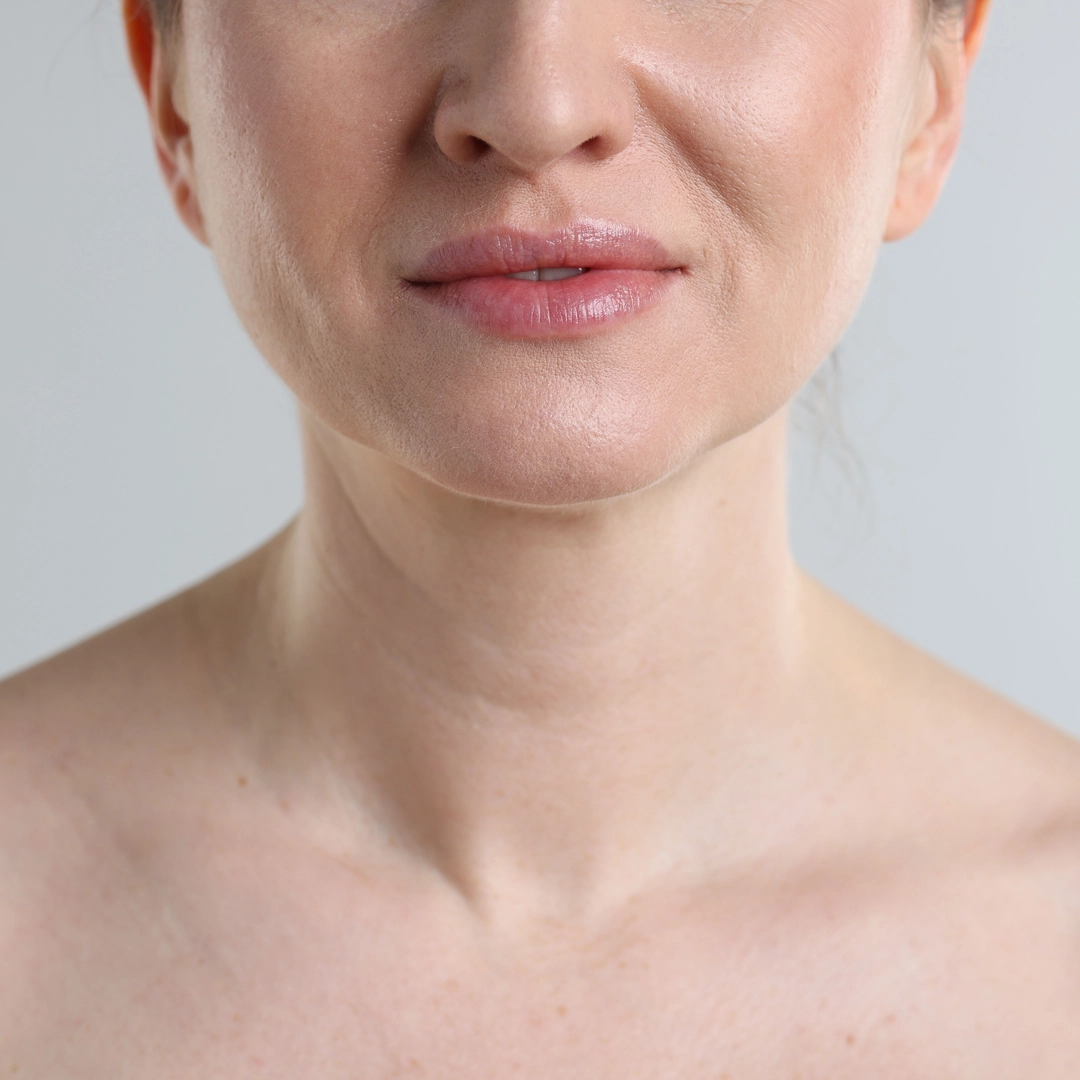 Puffy cheeks describe a fuller, swollen, rounded or heavy appearance in the cheek area.
This may affect:
- The upper cheeks
- Mid-cheeks
- Lower cheeks
- Under-eye and cheek junction
- Malar area
- Jawline and lower face
- One side or both sides of the face
Clients may describe the concern as:
- Puffy cheeks
- Round face
- Swollen face
- Heavy cheeks
- Chipmunk cheeks
- Pillow face
- Filler puffiness
- Malar swelling
- Cheek heaviness
- Lower-face fullness
- Face looking bigger than usual
- Face looking puffy in the morning
The correct treatment depends on whether the problem is caused by fluid, filler, fat, skin laxity, inflammation, muscle, anatomy or a medical condition.
Why do cheeks become puffy?
Puffy cheeks can have several causes.
1. Fluid retention
Fluid retention can make the face look swollen, especially in the morning. This may be linked to salt intake, alcohol, sleep position, hormonal changes, medication or general health.
If puffiness is persistent, new or associated with swelling elsewhere in the body, GP assessment may be needed.
2. Kidney, liver, heart or thyroid-related swelling
Facial puffiness can sometimes be part of a wider medical picture. This is particularly important if swelling is new, persistent, worse in the morning or associated with swollen ankles, tiredness, breathlessness, blood pressure problems or changes in urine.
Your GP may consider blood pressure checks, blood tests and urine tests.
3. Allergy or angioedema
Allergies can cause swelling around the face, lips, cheeks and eyelids. Sudden swelling of the lips, tongue or throat, or swelling associated with breathing difficulty, should be treated as urgent.
Cosmetic treatment is not appropriate until allergy-related swelling is assessed and controlled.
4. Previous dermal filler
Previous filler can sometimes contribute to cheek puffiness.
This may happen due to:
- Too much filler
- Filler placed too superficially
- Filler migration
- Water retention around hyaluronic acid filler
- Malar oedema
- Lymphatic congestion
- Delayed swelling or inflammation
- Poor product choice for the area
This can create a “pillow face” or overly full cheek appearance.
5. Natural facial fat distribution
Some people naturally have fuller cheeks due to genetics, facial fat distribution or a rounder facial structure.
This may be more noticeable in the mid-cheek, lower cheek or buccal fat area.
6. Weight gain or weight fluctuation
Weight changes can affect facial fullness. Some clients notice cheek puffiness after weight gain, while others notice lower-face heaviness after weight loss due to skin laxity and tissue descent.
7. Medication
Certain medications can contribute to fluid retention or facial rounding. Steroid medication, for example, may cause a rounded “moon face” appearance in some people.
Medication should never be stopped without advice from your GP or prescribing clinician.
8. Inflammation, sinus or dental problems
Facial swelling can sometimes be related to sinus inflammation, dental infection, salivary gland issues, skin infection or inflammatory skin disease.
If swelling is painful, hot, one-sided or associated with fever, dental pain or feeling unwell, medical or dental review is advised.
9. Masseter muscle enlargement
Sometimes the face appears wider or fuller because of enlarged masseter muscles caused by teeth grinding, jaw clenching or natural muscle bulk. This usually affects the lower face rather than the upper cheeks.
Anti-wrinkle injections may be considered in suitable cases.
10. Skin laxity and facial descent
With ageing or weight loss, cheek tissue can descend downwards. This may create heaviness in the lower cheeks, jowls and jawline, which some clients describe as puffiness.
In these cases, treatment may need to focus on lifting, tightening and collagen stimulation rather than reducing volume alone.
Why proper diagnosis matters
Puffy cheeks should not be treated without understanding the cause.
For example:
- Fluid retention will not improve with filler dissolving.
- Filler migration will not improve with weight loss alone.
- Cheek fat will not improve with skin boosters.
- Skin laxity may need tightening rather than volume reduction.
- Medical swelling should not be treated cosmetically.
- Masseter-related width needs a different approach from cheek puffiness.
At Skin and Scar Care Clinic, we assess:
- When the puffiness started
- Whether it is constant or worse in the morning
- Whether it changes through the day
- Whether one side is more swollen
- Medical history and medication
- Blood pressure history
- Kidney, thyroid, liver or heart-related symptoms
- Allergy or sinus symptoms
- Previous filler history
- Weight changes
- Facial anatomy and fat distribution
- Skin laxity and tissue descent
- Whether GP, dental or specialist review is needed
When GP assessment and blood tests may be needed
We may recommend GP assessment before aesthetic treatment if your facial puffiness is:
- New or unexplained
- Persistent
- Worse in the morning
- Associated with swelling of the eyelids, hands, ankles, feet or abdomen
- Associated with tiredness, breathlessness or feeling unwell
- Associated with high blood pressure
- Associated with changes in urine
- Associated with sudden weight gain
- Associated with steroid use or hormonal symptoms
- One-sided, painful, hot or rapidly worsening
This does not mean something serious is always present. It simply ensures cosmetic treatment is safe and appropriate.
Treatment options for puffy cheeks
1. Filler assessment and dissolving
If puffy cheeks are caused by previous hyaluronic acid dermal filler, we may consider filler dissolving with hyaluronidase.
This may be suitable if there is:
- Overfilled cheeks
- Puffy or pillow-like appearance
- Suspected filler migration
- Malar oedema related to HA filler
- Tyndall effect or bluish discolouration
- Filler-related asymmetry
- Heavy midface after previous filler
What to expect with filler dissolving
Hyaluronidase is an enzyme used to dissolve hyaluronic acid filler.
Treatment may require:
- Careful assessment of the previous filler
- Patch testing where appropriate
- Ultrasound assessment in selected cases
- Staged dissolving rather than aggressive treatment
- Review before further correction
- Possible re-treatment if filler remains
After dissolving, the face may feel temporarily deflated, swollen or uneven while tissues settle.
Dissolving is not suitable for non-HA filler, permanent filler or unknown products without careful assessment.
2. Endolift® for cheek fullness, lower-face heaviness and contouring
Endolift® is a minimally invasive laser treatment that works beneath the skin to stimulate collagen remodelling, tissue contraction and selected fat reduction.
It may help improve:
- Lower-cheek heaviness
- Jawline softness
- Jowls
- Mild to moderate facial fat
- Skin laxity
- Loss of facial definition
- Heavy lower face
- Post-weight-loss laxity
- Mild contour concerns
Endolift® is particularly useful when puffy cheeks are related to lower-face heaviness, soft fat and skin laxity rather than medical swelling.
What Endolift® cannot do
Endolift® is not a treatment for medical fluid retention, allergy-related swelling or sudden facial swelling.
It is also not a replacement for surgical facial contouring, buccal fat removal, facelift or neck lift where severe fullness or laxity is present.
Results develop gradually over 3–6 months.
3. Skin tightening and collagen stimulation
If puffiness is made worse by skin laxity or tissue descent, skin tightening may be recommended.
Options may include:
- Endolift®
- Radiofrequency-based tightening where suitable
- Ultrasound-based tightening where suitable
- Biostimulatory injectables
- Laser-based collagen stimulation
The aim is to improve facial support, contour and definition.
5. CO₂ laser for laxity, wrinkles and skin quality
CO₂ laser does not remove cheek puffiness directly, but it can improve skin texture, wrinkles, crepiness and mild surface tightening.
It may be useful when puffy cheeks are combined with:
- Loose skin
- Crepey texture
- Wrinkles
- Photoageing
- Post-weight-loss skin changes
- Lower-face skin laxity
CO₂ laser involves downtime and requires careful aftercare and sun protection.
6. Erbium Glass laser for gradual collagen support
Erbium Glass 1550 nm laser is a non-ablative fractional laser used to improve collagen, texture and skin quality with less downtime than CO₂ laser.
It may help improve:
- Skin quality
- Fine lines
- Mild laxity
- Texture
- Pores
- Collagen support
- Post-weight-loss skin changes
A course of treatments is usually recommended.
7. Bio Remodelling / Bio Stimulator and bioremodelling injections
Bioremodelling injections can support skin quality, hydration and tissue strength.
They may be considered when the concern is not true swelling but a combination of:
- Poor skin quality
- Mild laxity
- Weight-loss related tissue change
- Crepey skin
- Early facial ageing
- Loss of skin elasticity
Important note
Bioremodelling injections are not used to “de-puff” the cheeks. In some puffy faces, adding injectable product may make the face look fuller.
Therefore, careful assessment is essential.
Bio Remodelling / Bio Stimulator Structura may be more suitable for hollowing and tissue support rather than true puffy cheeks.
8. Anti-wrinkle injections for masseter-related facial width
If facial fullness is caused by enlarged jaw muscles rather than puffy cheeks, anti-wrinkle injections to the masseter muscles may be considered.
- This may help with:
- Square lower face
- Jaw clenching
- Teeth grinding
- Lower-face width
- Heavy jawline from muscle bulk
This is not a cheek treatment and will not reduce upper-cheek puffiness.
Results develop gradually over several weeks and usually require maintenance.
9. Lymphatic drainage and lifestyle support
Where puffiness is related to fluid retention, lymphatic sluggishness or lifestyle factors, supportive measures may help.
These may include:
- Reducing excessive salt intake
- Reducing alcohol
- Improving hydration
- Improving sleep
- Sleeping slightly elevated
- Managing allergies
- Treating sinus or skin inflammation
- Gentle lymphatic massage where appropriate
- Regular movement and exercise
- GP review if swelling is persistent
These measures are supportive and should not replace medical assessment where symptoms suggest fluid retention or illness.
Combination treatment for puffy cheeks
Many clients need a staged approach.
Puffy cheeks from previous filler
Possible plan:
- Filler assessment
- Ultrasound if needed
- Hyaluronidase dissolving if HA filler is present
- Tissue settling period
- Reassessment
- Careful rebuilding only if needed
Puffy cheeks with lower-face heaviness
Possible plan:
- Endolift®
- Skin tightening
- Jawline contour assessment
- CO₂ or Erbium Glass laser if skin quality is poor
Puffy cheeks with loose skin after weight loss
Possible plan:
- Endolift® for tightening and contour
- Erbium Glass laser for collagen
- CO₂ laser for surface tightening
- Skin bioremodelling if appropriate
Puffy cheeks with masseter-related width
Possible plan:
- Anti-wrinkle injections for masseter muscles
- Review at 6–8 weeks
- Jawline balance assessment
Puffy cheeks with medical swelling
Possible plan:
- GP assessment first
- Blood and urine tests if appropriate
- Treat underlying cause
- Aesthetic treatment only once medically suitable
Treatment timeline
GP or medical assessment
If needed, this should be completed before cosmetic treatment.
Filler dissolving
- Swelling or tenderness: usually a few days
- Review: often 2–4 weeks
- Staged dissolving may be needed
- Rebuilding filler should not be rushed
Endolift®
- Early swelling/bruising: days to weeks
- Early tightening: 4–8 weeks
- Final result: usually 3–6 months
- Further treatment may be required depending on laxity and fullness
CO₂ laser
- Downtime: several days depending on intensity
- Redness and sensitivity: can last longer
- Early improvement: 2–6 weeks
- Collagen remodelling: 3–6 months
Erbium Glass laser
- Course: usually 3–4 sessions
- Spacing: around 4 weeks apart
- Results: gradual over weeks to months
- Downtime: usually mild
Bioremodelling injections
- Course: usually 2 sessions
- Spacing: around 4 weeks apart
- Results: gradual skin-quality improvement
- Not suitable for all puffy-cheek concerns
Masseter anti-wrinkle injections
- Starts working: 1–2 weeks
- Facial slimming effect: usually 6–12 weeks
- Maintenance: usually 3–6 months or individualised
Suitable candidates
You may be suitable for puffy cheek treatment if you have:
- Long-standing cheek fullness
- Lower-cheek heaviness
- Puffy appearance after previous filler
- Suspected filler migration
- Mild to moderate facial fat or soft tissue fullness
- Skin laxity contributing to cheek heaviness
- Lower-face width from masseter muscle enlargement
- Stable weight
- Good general health
- No unexplained medical swelling
- Realistic expectations
- Willingness to follow a staged plan
Who may not be suitable?
You may not be suitable for aesthetic puffy-cheek treatment if you have:
- Sudden facial swelling
- Painful, hot or red swelling
- Swelling of lips, tongue or throat
- Breathing difficulty
- New one-sided facial swelling
- Dental infection or facial infection
- Active sinus infection
- Uncontrolled allergy or angioedema
- Swelling of the ankles, feet, hands or abdomen
- Unexplained weight gain or severe fatigue
- Uncontrolled kidney, liver, heart or thyroid disease
- Pregnancy or breastfeeding
- Active skin infection in the treatment area
- Permanent or unknown filler in the cheeks
- Unrealistic expectations
- Need for surgical-level facial slimming
- Severe skin laxity requiring surgery
- Inability to follow aftercare or attend review appointments
If we feel your puffiness is medical rather than aesthetic, we will advise GP, dental or specialist assessment first.
When to seek urgent medical advice
Please seek urgent medical help if facial swelling is associated with:
- Difficulty breathing
- Swelling of the tongue, throat or lips
- Sudden widespread swelling
- Severe allergic symptoms
- Fever or feeling very unwell
- Severe pain
- Rapidly worsening one-sided swelling
- Eye pain or vision changes
- Facial weakness
- Chest pain or breathlessness
Aesthetic treatment should never delay medical assessment.
What to expect during consultation
Your consultation will include a full facial and medical assessment.
We will ask about:
- When the puffiness started
- Whether it changes during the day
- Morning swelling
- Salt, alcohol and sleep factors
- Allergies or sinus symptoms
- Dental problems
- Medication
- Medical conditions
- Previous filler or aesthetic treatment
- Weight changes
- What result you would like to achieve
We will then advise whether the best approach is medical review, filler correction, skin tightening, contouring, regenerative treatment or referral.
Aftercare advice
After treatment, aftercare will depend on the procedure performed.
General advice may include:
- Avoid alcohol for 24 hours after injectable treatments
- Avoid strenuous exercise for 24–48 hours
- Avoid excessive heat, sauna and steam rooms
- Avoid facial massage unless advised
- Avoid dental work for around 2 weeks after filler-related treatment where possible
- Use SPF 50 after laser treatments
- Follow laser aftercare carefully if CO₂ or Erbium Glass laser is performed
- Attend review appointments
- Contact the clinic urgently if you develop severe pain, skin colour change, worsening swelling, infection symptoms or visual symptoms
Frequently Asked Questions
Why are my cheeks puffy?
Can filler cause puffy cheeks?
Can puffy cheeks be dissolved?
Can Endolift® help puffy cheeks?
What is pillow face?
“Pillow face” is a term often used to describe an overly full, puffy or swollen appearance after too much filler or poorly placed filler. Treatment may involve assessment, dissolving and careful rebuilding.
Can skincare fix puffy cheeks?
Can lymphatic massage help?
Do I need blood tests for puffy cheeks?
If puffiness is persistent, new, worse in the morning or associated with swelling elsewhere, your GP may consider blood and urine tests to check kidney, liver, thyroid and general health.
Is buccal fat removal better than non-surgical treatment?
Why choose Skin and Scar Care Clinic?
At Skin and Scar Care Clinic, we provide medical-grade aesthetic treatments with a careful, safety-led and personalised approach.
We focus on:
- Identifying the true cause of puffy cheeks
- Medical history review
- Previous filler assessment
- Natural facial contouring
- Endolift® and skin tightening
- Laser skin quality treatments
- Bioremodelling and regenerative planning
- Honest advice about medical, aesthetic and surgical causes
- Avoiding overfilled results
- Realistic expectations and aftercare support
We will always advise you if cosmetic treatment is not the safest or most suitable option.
Book a Puffy Cheeks Consultation in Altrincham
If you are concerned about puffy cheeks, cheek fullness, facial puffiness, pillow face, filler migration or lower-face heaviness, book a consultation at Skin and Scar Care Clinic.
We will assess the cause of your concern and recommend a personalised treatment plan.
Skin and Scar Care Clinic
25 Barrington Road
Altrincham
WA14 1HP
WhatsApp / Tel: 07376 311884
Website: www.skinscarcare.com
Disclaimer
Puffy cheek treatments are medical aesthetic treatments and results vary between individuals. Treatment outcomes cannot be guaranteed.
Puffy cheeks and facial swelling can be caused by fluid retention, allergy, angioedema, medication, kidney, liver, heart or thyroid problems, dental infection, sinus issues, facial fat, weight changes, previous filler, filler migration, lymphatic congestion, skin laxity, muscle enlargement or natural anatomy. A consultation is required to assess the likely cause.
If puffiness is sudden, painful, one-sided, associated with fever, breathing difficulty, lip/tongue/throat swelling, vision changes, facial weakness or swelling elsewhere in the body, medical assessment should be sought urgently. Cosmetic treatment should not delay GP, dental, emergency or specialist review.
Filler dissolving is only suitable where hyaluronic acid filler is suspected or confirmed. Hyaluronidase can cause swelling, bruising, allergy, incomplete dissolving, asymmetry or the need for further treatment.
Endolift®, laser treatments, anti-wrinkle injections, skin tightening, bioremodelling and regenerative treatments can improve selected aesthetic causes of cheek puffiness, fullness, laxity or contour concerns, but they do not treat medical swelling and are not alternatives to surgery where surgical treatment is required.
Possible side effects of aesthetic treatments include redness, swelling, bruising, tenderness, infection, asymmetry, skin colour change, pigmentation change, delayed healing, scarring, lumps, irregularity, incomplete improvement, vascular complications and the possible need for further treatment.
We always aim to provide 100% effort, but final results depend on anatomy, cause of puffiness, previous treatments, skin quality, medical history, healing response, lifestyle factors, treatment consistency and adherence to aftercare.