
Calm, Clear and Rebalance Acne-Prone Skin
Acne-prone skin can be frustrating, unpredictable, and emotionally distressing. Flare-ups may occur due to excess oil production, blocked pores, inflammation, bacteria, hormonal changes, skincare products, stress, diet, or underlying skin sensitivity.
At Skin & Scar Care Clinic, we offer a tailored, medical-grade approach to acne-prone skin, focusing on calming inflammation, reducing redness, improving skin texture, supporting skin barrier repair, and helping to reduce the frequency and severity of future flare-ups.
Our treatment plans may include advanced laser and light-based treatments such as Erbium Glass Laser 1550nm, DPL Laser 430nm, and DPL Laser 480nm, depending on your skin type, acne pattern, redness, sensitivity, and treatment goals.
This treatment is designed for patients who want a non-surgical, minimal-downtime option to improve acne-prone skin, post-acne redness, skin congestion, uneven texture, and early acne-related skin changes.
Treatments Offered
DPL Laser 430nm
The 430nm DPL wavelength is commonly used for acne-prone skin because it targets acne-related activity within the skin. This wavelength can help reduce acne-causing bacteria and calm inflammatory flare-ups.
It is particularly useful for:
- Active acne-prone skin.
- Recurrent breakouts.
- Inflamed spots.
- Oily or congested skin.
- Early acne flare-ups.
- Patients looking for a non-invasive treatment with minimal downtime.
The aim is to reduce the appearance and frequency of acne flare-ups while supporting clearer, calmer skin.
DPL Laser 480nm
The 480nm DPL wavelength is used to support improvement in redness, inflammation, and uneven skin tone associated with acne-prone skin.
It may help with:
- Post-acne redness.
- Red marks after breakouts.
- Facial flushing.
- Mild acne-related inflammation.
- Uneven tone caused by recurrent flare-ups.
This treatment can be particularly useful in patients who experience acne alongside sensitivity, redness, or rosacea-like flushing.
Erbium Glass Laser 1550nm
The 1550nm Erbium Glass Laser is a non-ablative fractional laser treatment designed to stimulate collagen production and improve overall skin quality without removing the surface layer of the skin.
For acne-prone skin, it may help improve:
- Uneven skin texture.
- Enlarged pores.
- Dull skin.
- Early acne scarring.
- Fine lines.
- Post-acne skin irregularity.
- Overall skin smoothness and quality.
Erbium Glass Laser is particularly helpful once active acne is under better control and the focus shifts towards skin remodelling, texture refinement, and collagen stimulation.
Ideal For:
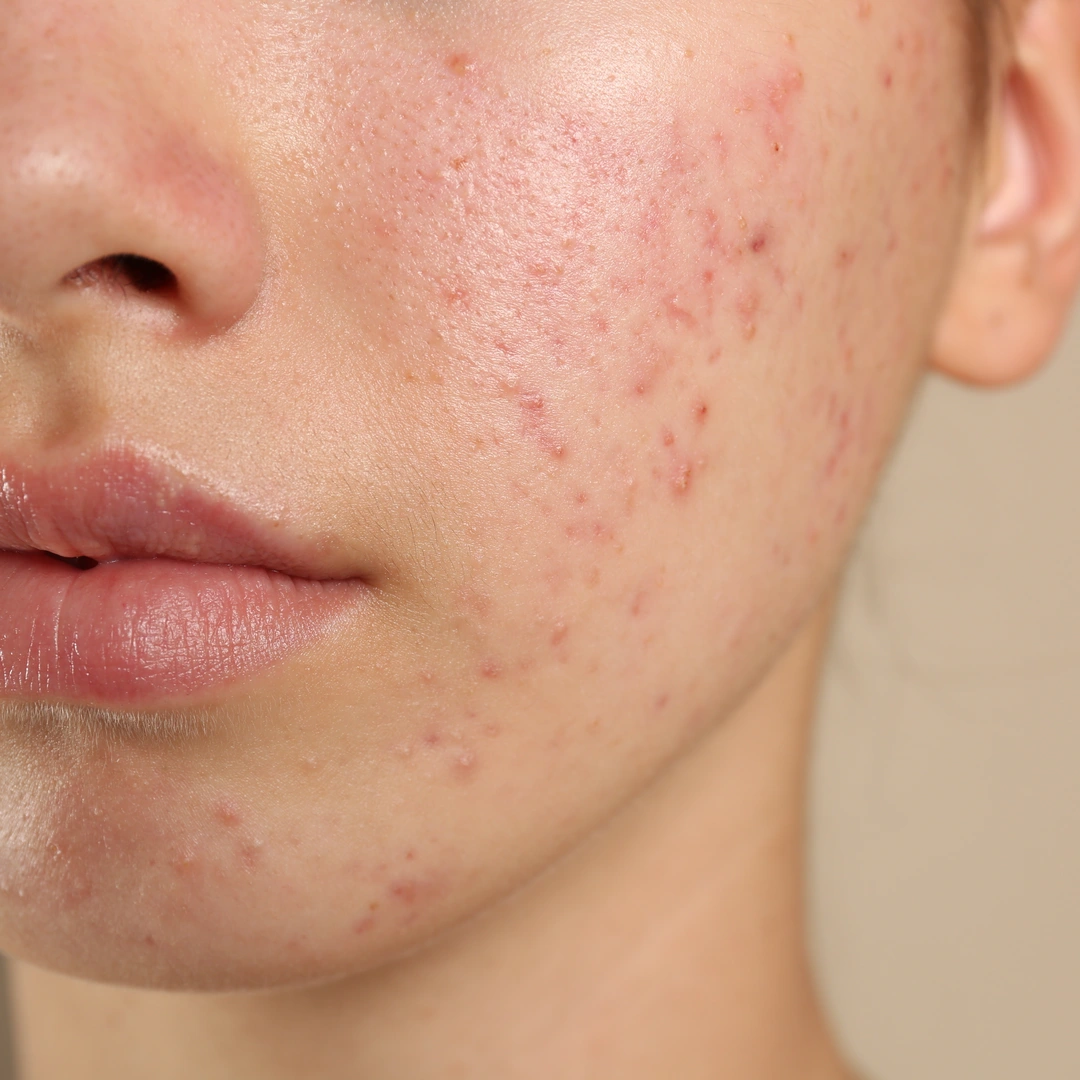 This treatment may be suitable for patients with:
- Acne-prone skin.
- Mild to moderate inflammatory acne.
- Recurrent flare-ups.
- Oily or congested skin.
- Post-acne redness.
- Enlarged pores.
- Uneven skin texture.
- Early acne scarring.
- Dull or tired-looking skin.
- Sensitive skin that cannot tolerate aggressive peels or resurfacing.
- Patients looking for non-surgical treatment with minimal downtime.
It may also be suitable for patients who want to reduce reliance on repeated antibiotics or harsh skincare, although medical treatment may still be needed in some cases.
Who May Not Be Suitable?
This treatment may not be suitable for patients with:
- Severe active cystic acne requiring medical or dermatology-led treatment.
- Active skin infection.
- Open wounds in the treatment area.
- Recent isotretinoin use, unless medically assessed and deemed suitable.
- Pregnancy or breastfeeding, depending on clinic policy.
- Recent sunburn or significant tanning.
- Photosensitive medical conditions.
- Use of photosensitising medication.
- Poorly controlled diabetes.
- History of abnormal scarring or keloid scarring.
- Unrealistic expectations.
- Active cold sores in the treatment area.
- Very inflamed, broken, or compromised skin barrier.
A consultation is always required to assess suitability and ensure the safest treatment plan.
Treatment Limitations
Laser and light-based treatments can significantly improve acne-prone skin, but they are not a permanent cure for acne.
Acne is a complex medical skin condition influenced by multiple factors, including hormones, oil production, genetics, bacteria, inflammation, skincare habits, and lifestyle factors.
Important limitations include:
- Multiple sessions are usually required.
- Results vary from person to person.
- Acne can relapse.
- Maintenance sessions may be required.
- Severe acne may require prescription medication.
- Hormonal acne may need medical investigation and ongoing management.
- Laser treatment may improve redness and texture but may not fully remove acne scars.
- Active cystic acne may require GP, dermatology, or medical treatment before laser treatment is appropriate.
Our aim is to reduce flare-ups, calm inflammation, improve skin quality, and support long-term skin control.
Combination Treatment Options
For best results, acne-prone skin often benefits from a combined approach.
Depending on your skin assessment, we may recommend combining laser treatment with:
Medical-Grade Skincare
A tailored skincare plan may include:
- Gentle cleanser.
- Non-comedogenic moisturiser.
- Daily SPF.
- Barrier repair ingredients.
- Oil-control products.
- Prescription-strength ingredients where appropriate.
Chemical Peels
Selected peels may help with:
- Congestion.
- Blackheads and whiteheads.
- Oiliness.
- Dull skin.
- Mild pigmentation.
- Post-acne marks.
Peels are only recommended where the skin barrier is stable.
Carbon Facial Peel
Carbon laser facial may help improve:
- Oily skin.
- Congested pores.
- Dull tone.
- Mild breakouts.
- Enlarged pores.
Pico Laser
Pico laser may be recommended for:
- Post-inflammatory pigmentation.
- Brown marks after acne.
- Uneven pigmentation.
- Skin brightening.
Bio Remodelling / Bio Stimulator® / Skin Boosters
These may be considered in selected patients to support:
- Skin hydration.
- Skin quality.
- Barrier improvement.
- Collagen support.
These are not acne treatments but may be useful once active flare-ups are controlled.
Your Treatment Journey
1. Consultation and Skin Assessment
Your journey begins with a detailed consultation, during which we assess:
- Acne type and severity.
- Skin sensitivity.
- Redness and inflammation.
- Pigmentation.
- Scarring.
- Skincare history.
- Previous treatments.
- Medical history.
- Current medication.
- Skin type and risk factors.
2. Skin Preparation
Before treatment, we may recommend preparing your skin with suitable skincare. This may include barrier repair, SPF, and reducing irritating products.
Patients may be advised to avoid:
- Sunbeds.
- Excessive sun exposure.
- Harsh exfoliants.
- Retinoids shortly before treatment.
- Strong acids.
- Picking or squeezing spots.
3. Laser or Light-Based Treatment
Depending on your skin needs, treatment may include:
- DPL 430nm for acne activity and inflammatory flare-ups.
- DPL 480nm for redness and post-acne inflammation.
- Erbium Glass 1550nm for texture, pores, and collagen stimulation.
4. Recovery and Aftercare
Downtime is usually minimal. You may experience:
- Mild redness.
- Warmth.
- Temporary sensitivity.
- Mild dryness.
- Slight darkening of post-inflammatory marks before they fade.
- Temporary flare-up in some acne-prone patients.
5. Review and Maintenance
A course of treatments is usually recommended, followed by review.
Maintenance sessions may be advised every few months depending on acne activity, skin response, lifestyle, hormones, and treatment goals.
Results You Can Expect
Results vary depending on acne severity, skin type, compliance, and underlying triggers.
Patients may notice:
- Calmer skin.
- Reduced redness.
- Fewer inflammatory flare-ups.
- Improved skin tone.
- Reduced post-acne redness.
- Smoother skin texture.
- Improved pore appearance.
- Healthier-looking skin.
- Improved confidence.
With Erbium Glass Laser, collagen stimulation develops gradually. Improvements in texture and skin quality may continue over several weeks after treatment.
For best results, a course of treatments is usually required.
Key Benefits
- Non-surgical treatment.
- Minimal downtime.
- Suitable for acne-prone and sensitive skin when carefully assessed.
- Helps reduce redness and inflammation.
- Supports clearer-looking skin.
- Improves skin tone and texture.
- Can be combined with skincare and other treatments.
- Helps manage flare-ups as part of a long-term plan.
- Can improve post-acne skin quality.
- Personalised to your skin type and acne pattern.
Aftercare Advice
After treatment, we recommend:
- Use a gentle cleanser.
- Apply a soothing moisturiser.
- Wear SPF 30–50 daily.
- Avoid sunbeds.
- Avoid direct sun exposure.
- Avoid strong retinoids for a few days unless advised otherwise.
- Avoid exfoliating acids for several days.
- Avoid hot baths, saunas, and steam rooms for 24–48 hours.
- Avoid picking or squeezing spots.
- Avoid heavy makeup for 24 hours where possible.
- Keep skin hydrated.
- Follow your personalised skincare plan.
Contact the clinic if you experience prolonged redness, blistering, worsening irritation, or any unexpected reaction.
Treatment Summary
| Treatment | Main Purpose | Typical Course | Downtime |
| DPL 430nm | Acne activity, inflammatory flare-ups | 3-6 sessions | Minimal |
| DPL 480nm | Redness, flushing, post-acne inflammation | 3-6 sessions | Minimal |
| Erbium Glass 1550nm | Texture, pores, collagen stimulation, early scarring | 3-4 sessions | Mild redness/dryness |
Treatment intervals are usually every 3-4 weeks, depending on skin response and treatment type.
A personalised plan will be created following consultation.
Frequently Asked Questions
It may be suitable for mild to moderate active acne and recurrent flare-ups. Severe cystic acne may require medical treatment before laser treatment is appropriate.
Most patients require a course of treatments. Typically, 3–6 sessions may be recommended depending on acne severity, redness, skin texture, and response.
No. Acne can relapse due to hormonal, genetic, lifestyle, and skin-related factors. The aim is to reduce flare-ups, calm inflammation, and improve skin quality.
In many cases, yes, if the skin is not broken, infected, or severely inflamed. Suitability will be assessed during consultation.
Most patients tolerate the treatment well. You may feel warmth, tingling, or a light snapping sensation depending on the device and settings used.
Downtime is usually minimal. Some redness, warmth, or mild sensitivity may occur after treatment.
Erbium Glass Laser 1550nm may help improve early acne scarring, texture, and pores. More established or deeper acne scars may require combination treatment such as CO₂ laser, microneedling, RF microneedling, subcision, or injectable treatments.
Yes, maintenance may be recommended, especially for recurrent acne, redness, or flare-prone skin.
Disclaimer
Skin & Scar Care Clinic is a medical-grade aesthetic clinic providing advanced skin treatments tailored to individual needs.
We guarantee our clinical expertise, professional judgement, and best efforts; however, specific results cannot be guaranteed.
Acne is a complex and often relapsing skin condition. Results vary depending on skin type, acne severity, hormones, age, ethnicity, medical history, lifestyle factors, skincare routine, and compliance with aftercare.
Laser and light-based treatments are not a replacement for medical acne treatment where prescription therapy is required. Patients with severe, painful, cystic, infected, or scarring acne may require review by a GP, dermatologist, or prescribing clinician.
A full consultation is required before treatment to assess suitability, risks, expected outcomes, and the most appropriate treatment plan.
Following a recent consultation with Mr Salahuddin to discuss various aesthetic treatments, including ebrium laser, c02 laser and endolift. I had my first session of ebrium laser treatment today. I can honestly say Mr Salahuddin's approach is excellent! He was very informative and went into great detail about each treatment, whilst remaining courteous, honest and professional at all times. We worked out a plan 'together' and he helped with any concerns I had. I am excited to start my journey with him and I have more than 100% faith in his ability as a medical professional to give me the results I want to achieve. I would highly recommend Mr Salahuddin, his expertise is second to none.
Joan Loudon