
Compassionate, Confidential & Non-Judgemental Scar Care
Self-harm scars can carry a deeply personal story. For many people, these marks are not only a physical concern but also an emotional reminder of a difficult period in life. At Skin & Scar Care Clinic, we understand that seeking treatment for self-harm scars can feel sensitive, vulnerable, and sometimes overwhelming. We provide discreet, compassionate, and non-judgemental treatment for self-harm scars. Our aim is to help improve the appearance of scars while supporting your confidence, comfort, and emotional wellbeing in a safe medical environment.
Our approach is discreet and respectful. Whether you wish to soften the appearance of scars, improve skin texture, reduce redness or pigmentation, or feel more confident in your skin, we are here to support you with compassion and medical expertise.
Every consultation is handled with the highest level of confidentiality, sensitivity, and professionalism.
Understanding Self-Harm Scars
Self-harm scars can vary significantly in appearance depending on skin type, depth of injury, healing response, scar age, and previous treatments.
They may appear as:
- Raised or thickened scars
- Flat white scars
- Red or purple scars
- Brown or dark pigmented scars
- Indented or atrophic scars
- Widened linear scars
- Textural irregularities
- Mixed scars with redness, pigmentation, and uneven skin texture
Because self-harm scars often involve multiple scar types in the same area, treatment usually requires a personalised combination approach rather than a single treatment.
Emotional and Psychological Support
We recognise that self-harm scars may be linked to past emotional distress, trauma, anxiety, depression, or difficult life experiences. Our role is to provide medical scar improvement in a safe, respectful environment.
During your consultation, we will never pressure you to share more than you feel comfortable discussing. You are welcome to talk openly, but you are equally welcome to focus only on the treatment options.
Where appropriate, we may recommend additional psychological support, counselling, or GP involvement, particularly if self-harm is recent, ongoing, or linked to current emotional distress.
Your safety and wellbeing are always more important than cosmetic treatment.
Confidentiality and Privacy
Your consultation and treatment are strictly confidential.
We provide:
- Private, discreet appointments
- Non-judgemental consultations
- Sensitive clinical photography, only with consent
- Secure handling of medical records
- No sharing of images or details without written permission
- A calm, respectful clinical environment
We understand that many patients may feel anxious about showing their scars. Our team is experienced in treating sensitive scars and will make the process as comfortable and dignified as possible.
Our Non-Judgemental Approach
At Skin & Scar Care Clinic, we do not define you by your scars. We see each client as an individual with their own journey, goals, and reasons for seeking treatment.
Our aim is to help improve the appearance of scars while supporting confidence, comfort, and emotional wellbeing.
You will be treated with kindness, respect, and complete discretion at every stage.
Treatments Offered for Self Harm Scar
Self-harm scars often respond best to a tailored treatment plan. Depending on the appearance of the scar, we may recommend one or more of the following treatments.
CO₂ Laser Resurfacing
CO₂ laser is one of the gold-standard treatments for improving scar texture, raised scars, thickened scars, and uneven skin surfaces.
It works by creating controlled micro-injuries in the skin, stimulating collagen remodelling and encouraging smoother, more even skin.
CO₂ laser may help improve:
- Raised scars
- Thickened scars
- Rough texture
- Uneven scar edges
- Widened scars
- Long-standing mature scars
This treatment is often used when scars are texturally visible or raised.
Laser-Assisted Drug Delivery
Laser-assisted drug delivery combines fractional laser treatment with the application of active medications or regenerative products into the skin.
After the laser creates tiny channels in the scar tissue, selected medications or skin-repair products can be delivered more effectively.
This may be useful for:
- Thick scars
- Resistant scars
- Raised scars
- Red or inflamed scars
- Scars needing enhanced remodelling
Depending on the scar type, medication options may include steroid, anti-inflammatory or scar-modulating agents.
Bio Remodelling / Bio Stimulator®, PRF and Regenerative Treatments
For scars associated with dryness, poor skin quality, crepiness, or reduced elasticity, regenerative treatments may be used alongside laser therapy.
Bio Remodelling / Bio Stimulator®
Bio Remodelling / Bio Stimulator is a bio-remodelling injectable treatment designed to improve skin hydration, elasticity, and collagen support.
It may help improve:
- Skin quality around scars
- Crepey texture
- Mild laxity
- Skin hydration
- Overall skin smoothness
PRF – Platelet-Rich Fibrin
PRF uses your own blood-derived growth factors to support tissue repair and healing.
It may help with:
- Skin regeneration
- Collagen stimulation
- Healing support after laser
- Improving scar quality
- Enhancing combination treatment results
PRF is often considered as part of a regenerative scar protocol.
Erbium Glass Laser 1550nm
Erbium Glass 1550nm laser is a non-ablative fractional laser that stimulates collagen and elastin production without the significant downtime associated with deeper resurfacing lasers. It is usually combined with CO2 laser to improve skin texture and elasticity.
DPL Laser for Redness and Vascularity
Dynamic Pulse Light, or DPL, is used to target redness, flushing, and vascular changes within scars.
It may help improve:
- Red scars
- Pink scars
- Purple vascular scars
- Persistent inflammation
- Visible small blood vessels
- Post-inflammatory redness
DPL is often recommended when redness is the main concern.
Pico Laser for Pigmentation
Pico laser can be used to treat unwanted pigmentation in and around scars.
It may help with:
- Brown pigmentation
- Dark marks
- Post-inflammatory hyperpigmentation
- Uneven colour
- Pigment changes after injury
Pico laser works by breaking pigment into smaller particles, allowing the body to gradually clear the pigment over time.
Excimer 308nm for Hypopigmented White Scars
White or pale scars can be more difficult to treat because they represent reduced pigment activity in the skin.
Excimer 308nm laser may be used to stimulate pigment-producing cells in selected hypopigmented scars.
It may help improve:
- White scars
- Pale linear scars
- Hypopigmented patches
- Colour mismatch between scar and surrounding skin
Results vary and multiple sessions are usually required.
Ideal Candidates
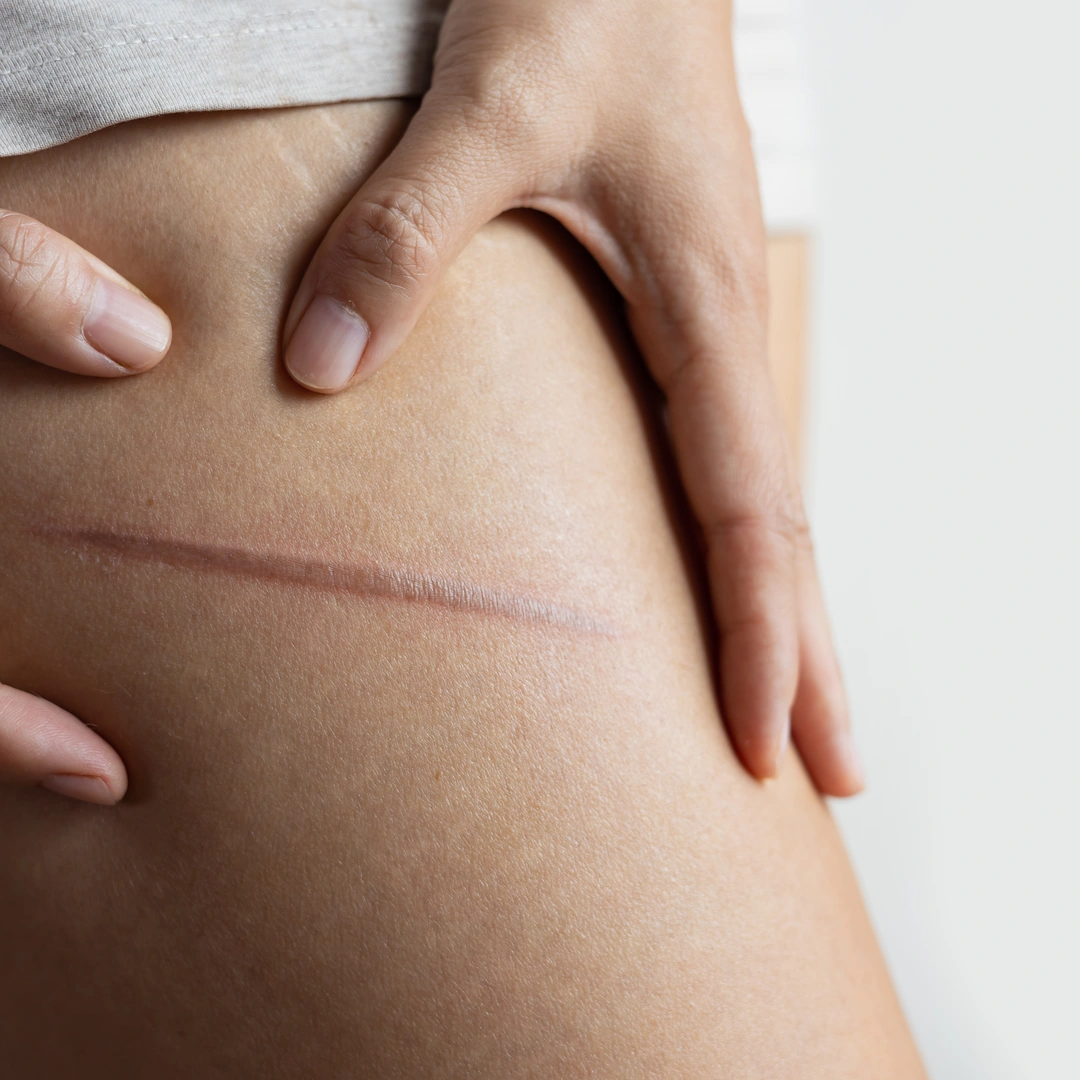 Self-harm scar treatment may be suitable for patients who:
- Have old, healed self-harm scars
- Are bothered by visible linear scars
- Have raised, red, white, pigmented, or textural scars
- Want to reduce the visibility of scars
- Understand that improvement is gradual
- Have realistic expectations
- Are emotionally stable and ready for treatment
- Are not actively self-harming
- Are willing to follow aftercare advice
- Can commit to a course of treatments if required
Who May Not Be Suitable
Treatment may not be suitable if:
- Self-harm is recent or ongoing
- The skin is broken, infected, or not fully healed
- There is active inflammation or open wounds
- There is uncontrolled eczema, psoriasis, or dermatitis in the area
- You are pregnant or breastfeeding, depending on treatment type
- You have very recent sun exposure or active tanning
- You have unrealistic expectations
- You are unable to follow aftercare instructions
- You have a history of poor wound healing or severe keloid scarring
- You have uncontrolled medical conditions affecting healing
If there are signs of ongoing emotional distress or recent self-harm, we may recommend speaking with your GP or mental health professional before proceeding with cosmetic scar treatment.
This is done with care and respect, not judgement.
Limitations of Treatment
Scar treatment can significantly improve the appearance of self-harm scars, but it cannot completely remove scars.
The aim is to make scars:
- Softer
- Smoother
- Flatter
- Less red
- Less pigmented
- More blended with surrounding skin
- Less noticeable overall
Some scars respond better than others. Factors that influence results include:
- Scar age
- Scar depth
- Skin type
- Scar colour
- Location on the body
- Healing tendency
- Lifestyle factors
- Sun exposure
- Compliance with aftercare
- Previous treatments
White scars and very deep scars can be more challenging and may require a longer treatment journey.
Combination Treatment Approach
Self-harm scars often require a combination approach because they may include texture, colour, thickness, redness, and pigment changes.
A typical plan may include:
- CO₂ laser for texture and raised scars
- Erbium Glass laser for collagen stimulation and smoother skin
- DPL for redness
- Pico laser for pigmentation
- Excimer 308nm for pale or white scars
- PRF or Bio Remodelling / Bio Stimulator for skin quality and regenerative support
- Laser-assisted drug delivery for resistant or thickened scars
Combination treatments allow us to address different aspects of the scar in a structured and personalised way.
Treatment is performed in a safe clinical environment. Numbing cream or local anaesthetic may be used depending on the procedure and scar location.
Most laser treatments are performed as outpatient procedures, allowing you to return home the same day.
Your Treatment Journey
1. Private Consultation
Your journey begins with a confidential consultation. We assess the scars, discuss your concerns, review your medical history, and understand your treatment goals. We will examine:
- Scar type
- Scar thickness
- Colour changes
- Skin texture
- Location
- Skin type
- Healing risk
- Suitability for laser or regenerative treatment
2. Personalised Treatment Plan
A bespoke plan is created based on your scar pattern and desired outcome. Your plan may include a single treatment type or a combination of lasers and regenerative treatments. We will explain:
- Recommended treatment options
- Number of sessions likely required
- Expected downtime
- Aftercare
- Risks and limitations
- Maintenance requirements
- Estimated cost
3. Treatment Sessions
Treatment is performed in a safe clinical environment. Numbing cream or local anaesthetic may be used depending on the procedure and scar location.
Most laser treatments are performed as outpatient procedures, allowing you to return home the same day.
4. Healing and Recovery
Healing time depends on the treatment used.
Milder treatments such as Erbium Glass, DPL, Pico, or Excimer usually have minimal downtime.
CO₂ laser may involve redness, swelling, crusting, or peeling for several days.
5. Review and Progress Monitoring
Scar improvement is gradual and develops over weeks to months as collagen remodels.
We usually review progress between sessions and adjust the plan where needed.
Results You Can Expect
Results vary between patients, but treatment may help achieve:
- Softer scar texture
- Reduced scar thickness
- Improved colour match
- Reduced redness
- Reduced pigmentation
- Smoother skin surface
- Less visible linear scarring
- Improved confidence in exposing the area
Scar improvement is progressive. Many patients require a course of treatments rather than a single session.
Results usually continue to improve for several months after laser treatment due to ongoing collagen remodelling.
Key Benefits
- Confidential and compassionate care
- Non-judgemental clinical environment
- Personalised treatment plan
- Advanced scar laser technology
- Options for redness, pigmentation, texture, and white scars
- Combination treatments available
- Regenerative treatments to support healing
- Medical-grade clinic setting
- Suitable for a wide range of scar types
- Focus on natural-looking improvement rather than unrealistic promises
Aftercare Advice
Aftercare depends on the treatment performed, but general advice may include:
- Keep the treated area clean and dry as advised
- Avoid touching, scratching, or picking the skin
- Apply recommended healing ointment or moisturiser
- Avoid sun exposure
- Use high-factor SPF once the skin has healed
- Avoid active skincare products until advised
- Avoid swimming, sauna, steam rooms, and intense exercise for the recommended period
- Avoid fake tan on the treated area
- Do not use exfoliating acids, retinoids, or scrubs until cleared by the clinic
- Attend review appointments as advised
For CO₂ laser, more detailed aftercare will be provided, as the skin may require a healing period with careful wound care.
Treatment Summary
| Treatment | Best For | Downtime | Course |
| CO₂ Laser | Raised, thick, textural scars | Moderate | Usually 1-3 sessions |
| Erbium Glass 1550nm | Fine texture, collagen stimulation | Minimal | 3-6 sessions |
| DPL Laser | Redness and vascular scars | Minimal | 3-6 sessions |
| Pico Laser | Brown pigmentation and dark marks | Minimal | 3-6 sessions |
| Excimer 308nm | White or pale scars | Minimal | Multiple sessions |
| Bio Remodelling / Bio Stimulator / PRF | Skin quality and regenerative support | Minimal | Usually 2-3 sessions |
| Laser-Assisted Drug Delivery | Thick or resistant scars | Mild to moderate | Tailored course |
Treatment plans are personalised following consultation.
Frequently Asked Questions
Important Emotional Wellbeing Note
If you are currently struggling with thoughts of self-harm, feeling unsafe, or worried you may hurt yourself, please seek urgent support.
You can contact your GP, NHS 111, local crisis team, or emergency services if you are in immediate danger.
Scar treatment can be part of moving forward, but your safety and emotional wellbeing always come first.
Disclaimer
Skin & Scar Care Clinic is a medical-grade clinic offering advanced scar management treatments in a professional and confidential setting.
We guarantee our clinical expertise, best efforts, and commitment to patient safety. However, specific results cannot be guaranteed.
Treatment outcomes vary depending on scar type, skin type, age, ethnicity, healing response, medical history, aftercare compliance, lifestyle factors, and the nature of the original injury.
Self-harm scar treatment is intended to improve the appearance of scars. It does not remove scars completely and does not replace psychological or medical support where this is needed.
A face-to-face consultation is required to assess suitability, discuss risks, and create a personalised treatment plan.
Following a recent consultation with Mr Salahuddin to discuss various aesthetic treatments, including ebrium laser, c02 laser and endolift. I had my first session of ebrium laser treatment today. I can honestly say Mr Salahuddin's approach is excellent! He was very informative and went into great detail about each treatment, whilst remaining courteous, honest and professional at all times. We worked out a plan 'together' and he helped with any concerns I had. I am excited to start my journey with him and I have more than 100% faith in his ability as a medical professional to give me the results I want to achieve. I would highly recommend Mr Salahuddin, his expertise is second to none.
Joan Loudon