
Following a recent consultation with Mr Salahuddin to discuss various aesthetic treatments, including ebrium laser, c02 laser and endolift. I had my first session of ebrium laser treatment today. I can honestly say Mr Salahuddin's approach is excellent! He was very informative and went into great detail about each treatment, whilst remaining courteous, honest and professional at all times. We worked out a plan 'together' and he helped with any concerns I had. I am excited to start my journey with him and I have more than 100% faith in his ability as a medical professional to give me the results I want to achieve. I would highly recommend Mr Salahuddin, his expertise is second to none.
Joan LoudonIt was a very reassuring experience with the team. A detailed consultation was done initially while considering the ethics of the profession. Discussed the treatment plan that would be required along side different treatment options. The procedure was carried out also with great care with dr Umer. I am happy I took the decision to choose this clinic for my skin rejuvenating treatments. Look forward to the follow up for the next treatments periodically.
HumairaCO₂ Laser Skin Resurfacing
Advanced Skin Tightening, Resurfacing & Rejuvenation
CO₂ laser resurfacing is one of the most powerful and effective treatments for improving skin texture, fine lines, wrinkles, acne scarring, surgical scars, pigmentation irregularities, stretch marks, and skin laxity.
At Skin & Scar Care Clinic, we use advanced fractional CO₂ laser technology to precisely target damaged skin while stimulating collagen remodelling and skin renewal. CO₂ laser works by creating controlled micro-injuries in the skin, encouraging the body to replace damaged surface cells and produce fresh collagen within the deeper dermis. Fractional CO₂ technology treats the skin in microscopic zones, allowing faster healing compared with traditional fully ablative resurfacing.
The result is smoother, firmer, tighter, and more youthful-looking skin with progressive improvement over several weeks to months.
What Is CO₂ Laser?
CO₂ laser is an ablative skin resurfacing treatment, meaning it removes controlled layers of damaged skin while heating the deeper dermis to stimulate collagen production.
It is commonly used for:
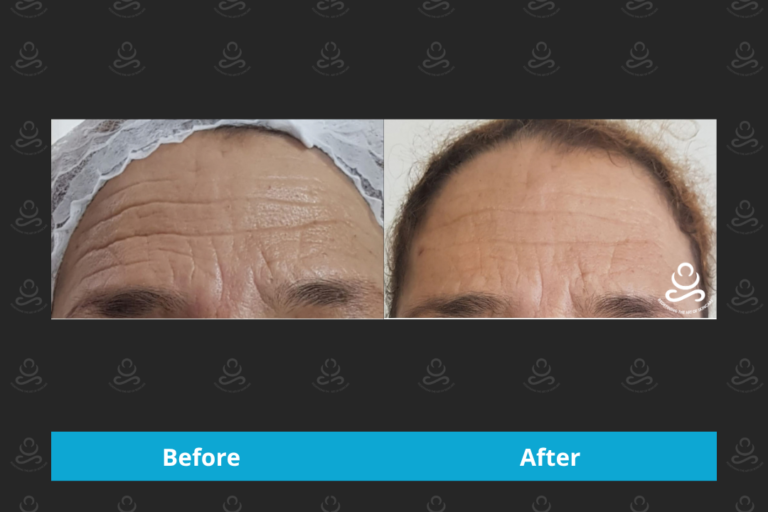
- Fine lines and wrinkles
- Skin laxity
- Acne scarring
- Surgical scars
- Stretch marks
- Sun damage
- Pigmentation irregularities
- Enlarged pores
- Crepey skin
- Skin texture improvement
CO₂ laser remains one of the most effective resurfacing technologies available in aesthetic medicine, especially when used by experienced practitioners with appropriate patient selection, skin preparation, and aftercare.
Ideal Treatment Areas
a) Non-Surgical Facelift
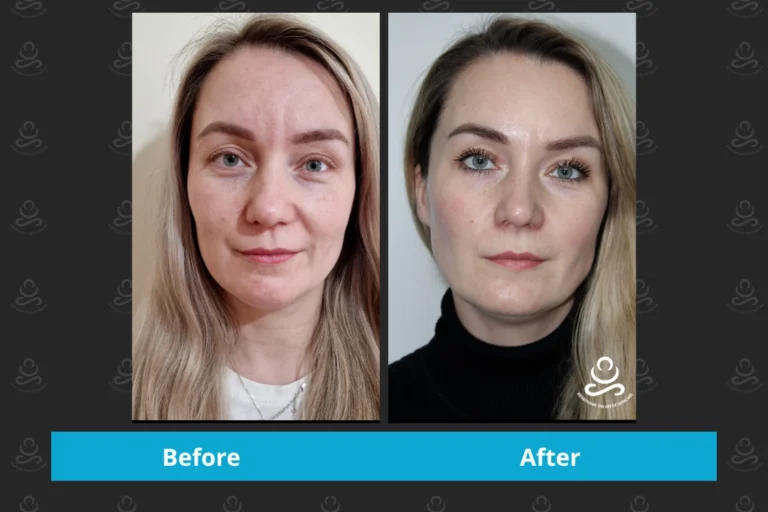
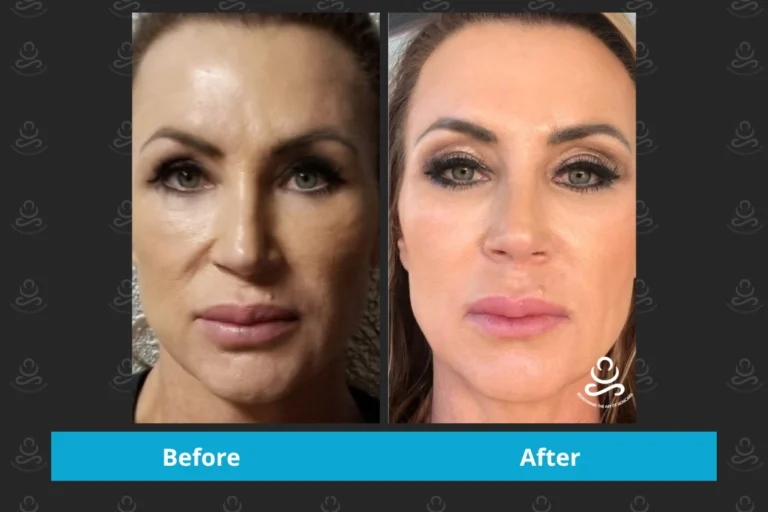
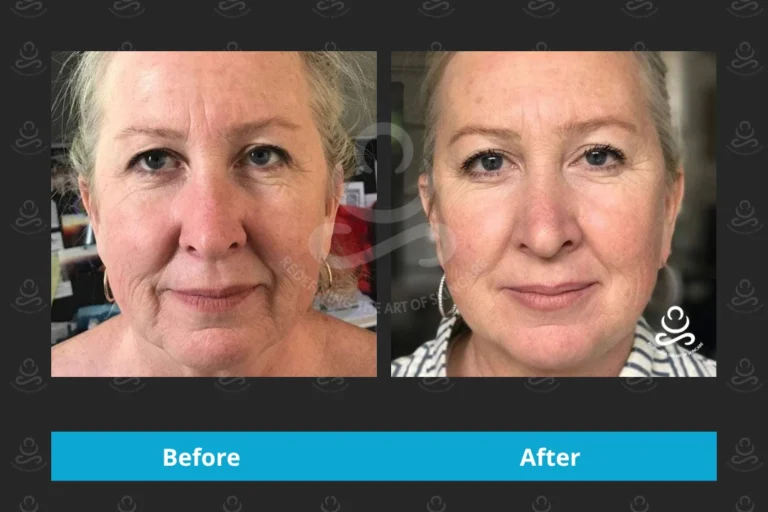
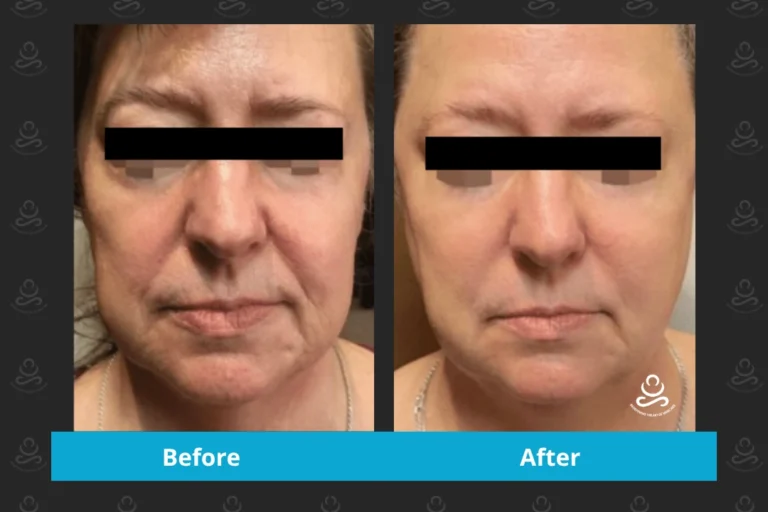
Fractional CO₂ laser can help improve facial skin laxity, fine lines, wrinkles, crepiness, and overall skin texture. It is particularly useful for patients who want a fresher, tighter, more rejuvenated appearance without surgery.
It can improve:
- Mild to moderate skin laxity
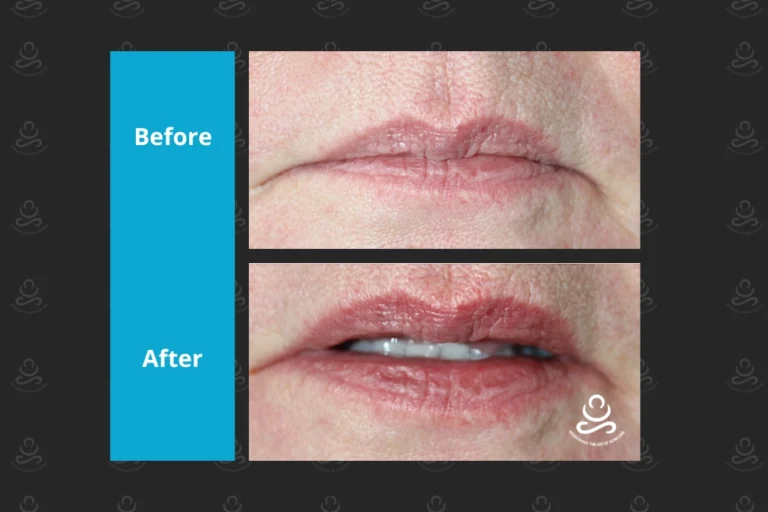
- Fine lines around the mouth
- Early jowl-area skin crepiness
- Lower face texture
- Sun damage
- Skin dullness
- Enlarged pores
Important: CO₂ laser is not a replacement for a surgical facelift. It improves skin quality and mild laxity, but it does not surgically reposition deeper facial tissues or remove significant excess skin.
b) Non-Surgical Eyelid Lift
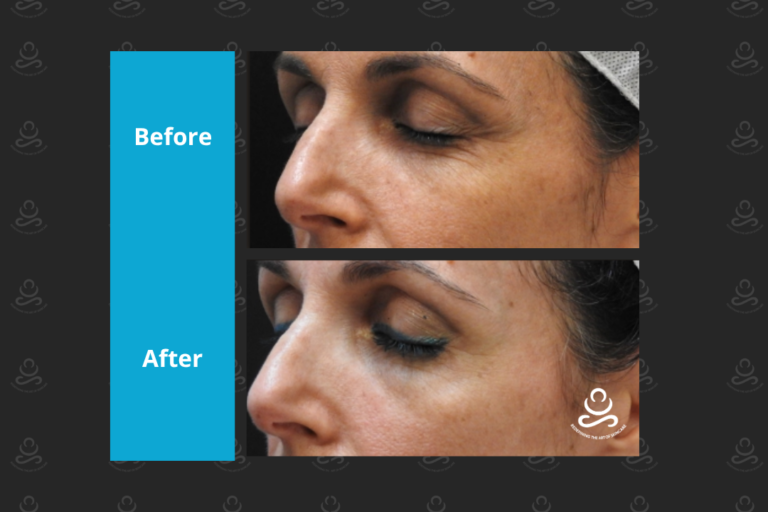
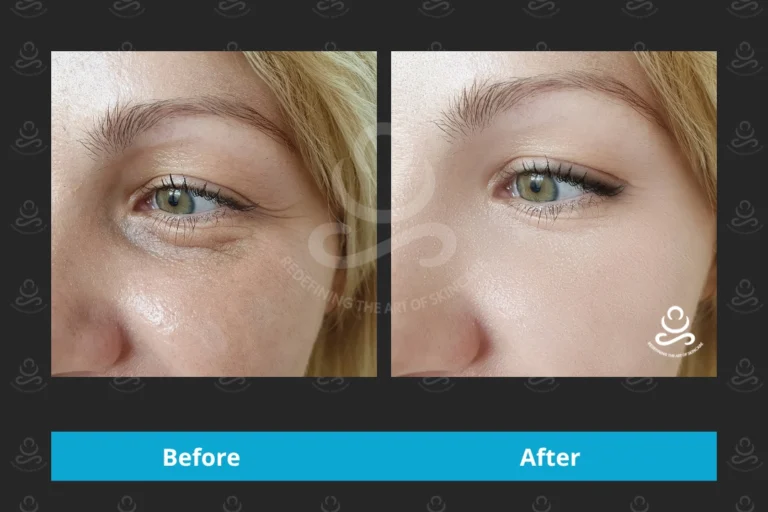
CO₂ laser can be used carefully around the eyes to improve fine lines, crepey eyelid skin, and mild skin laxity.
It may help with:
- Fine lines around the eyes
- Crow’s feet
- Crepey upper eyelid skin
- Mild lower eyelid laxity
- Under-eye texture
- Early ageing around the eyes
This treatment is particularly popular for patients who want eyelid rejuvenation without blepharoplasty surgery.
Important: CO₂ laser cannot remove large amounts of excess eyelid skin or correct significant eyelid hooding. Patients with advanced eyelid laxity may still require surgical blepharoplasty.
c) Full Face and Neck Contouring
CO₂ laser can be used across the full face and neck to improve overall skin quality, tone, texture, and firmness.
It can help improve:
- Facial wrinkles
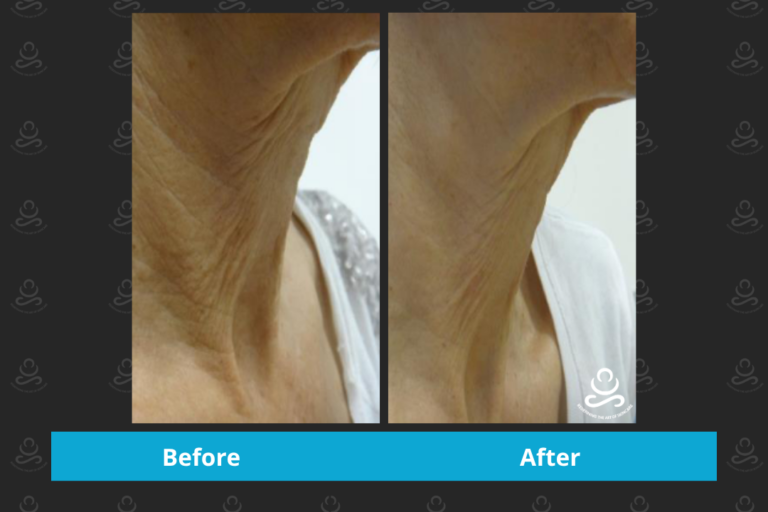
- Neck crepiness
- Mild skin laxity
- Sun-damaged skin
- Uneven texture
- Enlarged pores
- Fine lines
- Early ageing changes
For patients with more significant laxity, CO₂ laser may be combined with treatments such as Endolift®, Bio Remodelling / Bio Stimulator®, polynucleotides, skin boosters, RF microneedling, or injectable biostimulators.
d) Décolletage Rejuvenation
The décolletage is one of the earliest areas to show signs of ageing, sun damage, pigmentation, and crepey skin.
CO₂ laser can help improve:
- Chest wrinkles
- Crepey skin
- Sun damage
- Pigmentation
- Skin roughness
- Uneven texture
- Fine lines
Because the décolletage can heal more slowly than the face, treatment settings are usually more conservative and aftercare is especially important.
e) Hand Rejuvenation
Hands often show visible signs of ageing through thinning skin, sun damage, pigmentation, and texture changes.
CO₂ laser may help improve:
- Crepey hand skin
- Sun spots
- Uneven skin texture
- Fine lines
- Ageing-related skin thinning appearance
For best results, hand rejuvenation is often combined with skin boosters, polynucleotides, Bio Remodelling / Bio Stimulator®, Radiesse®, or dermal fillers depending on volume loss and skin quality.
f) Abdominal Skin Laxity and Stretch Marks
CO₂ laser can be used on the abdomen to improve skin texture, mild laxity, and stretch marks, especially after pregnancy, weight loss, or previous surgery.
It can help improve:
- Stretch marks
- Crepey abdominal skin
- Mild skin laxity
- Post-pregnancy skin texture
- Post-weight-loss skin changes
- Tummy tuck scar texture
- Uneven skin quality
For significant abdominal laxity, CO₂ laser alone may not be enough. Combination treatment with Endolift®, RF microneedling, Bio Remodelling / Bio Stimulator® Body, polynucleotides, or surgical correction may be discussed.
g) Inner Arm Laxity and Stretch Marks
The inner arms are a common area for skin laxity, crepiness, and stretch marks, especially after weight loss or ageing.
CO₂ laser can help improve:
- Inner arm crepey skin
- Mild laxity
- Stretch marks
- Uneven skin texture
- Skin thinning appearance
- Post-weight-loss skin quality
For more significant arm laxity, CO₂ laser may be combined with Endolift®, Bio Remodelling / Bio Stimulator® Body, RF microneedling, or other collagen-stimulating treatments.
Who Is Suitable for CO₂ Laser?
 CO₂ laser may be suitable for patients with:
- Fine lines and wrinkles
- Acne scars
- Surgical scars
- Stretch marks
- Sun-damaged skin
- Enlarged pores
- Rough skin texture
- Mild to moderate skin laxity
- Crepey skin
- Uneven tone and texture
- Early ageing changes
Suitability depends on skin type, medical history, pigmentation risk, sun exposure, medication history, lifestyle, and expectations.
Who Is Not Suitable?
CO₂ laser is not suitable for everyone. A consultation is essential before treatment.
You may not be suitable if you have:
- Active infection in the treatment area
- Active cold sores or recurrent herpes simplex without antiviral cover
- Open wounds
- Active inflammatory acne in the treatment area
- Recent sunburn or active tan
- Recent isotretinoin use, depending on medical assessment
- Poor wound healing history
- Keloid scarring tendency
- Uncontrolled diabetes
- Immunosuppression
- Pregnancy or breastfeeding
- Unrealistic expectations
- Inability to follow strict aftercare
- Recent aggressive skin treatments
- Recent use of strong retinoids or exfoliating acids without stopping before treatment
Special Warning for Darker Skin Types
Patients with darker skin types, including Fitzpatrick skin types IV, V, and VI, have a higher risk of post-inflammatory hyperpigmentation, also known as PIH. This means the treated area may become darker after inflammation or laser treatment. Medical sources note that people with brown or Black skin are at greater risk of longer-lasting colour changes after laser resurfacing, and darker skin requires careful laser selection, conservative settings, expert assessment, and strict sun protection.
At Skin & Scar Care Clinic, we take a cautious approach with darker skin types. This may include:
- Detailed skin assessment
- Patch testing where appropriate
- Lower-energy settings
- Longer preparation time
- Pigment-suppressing skincare before treatment
- Avoiding treatment during high UV exposure periods
- Strict post-treatment sun protection
- Considering alternative treatments where safer
For darker skin types, we may recommend alternatives such as:
- Pico laser
- Erbium glass laser 1550nm
- Thulium Laser 1927nm
- Skin boosters
- Chemical peels
- Combination skin protocols
CO₂ laser can be highly effective, but in darker skin types the risk of pigmentation complications must be taken seriously.
Treatment Limitations
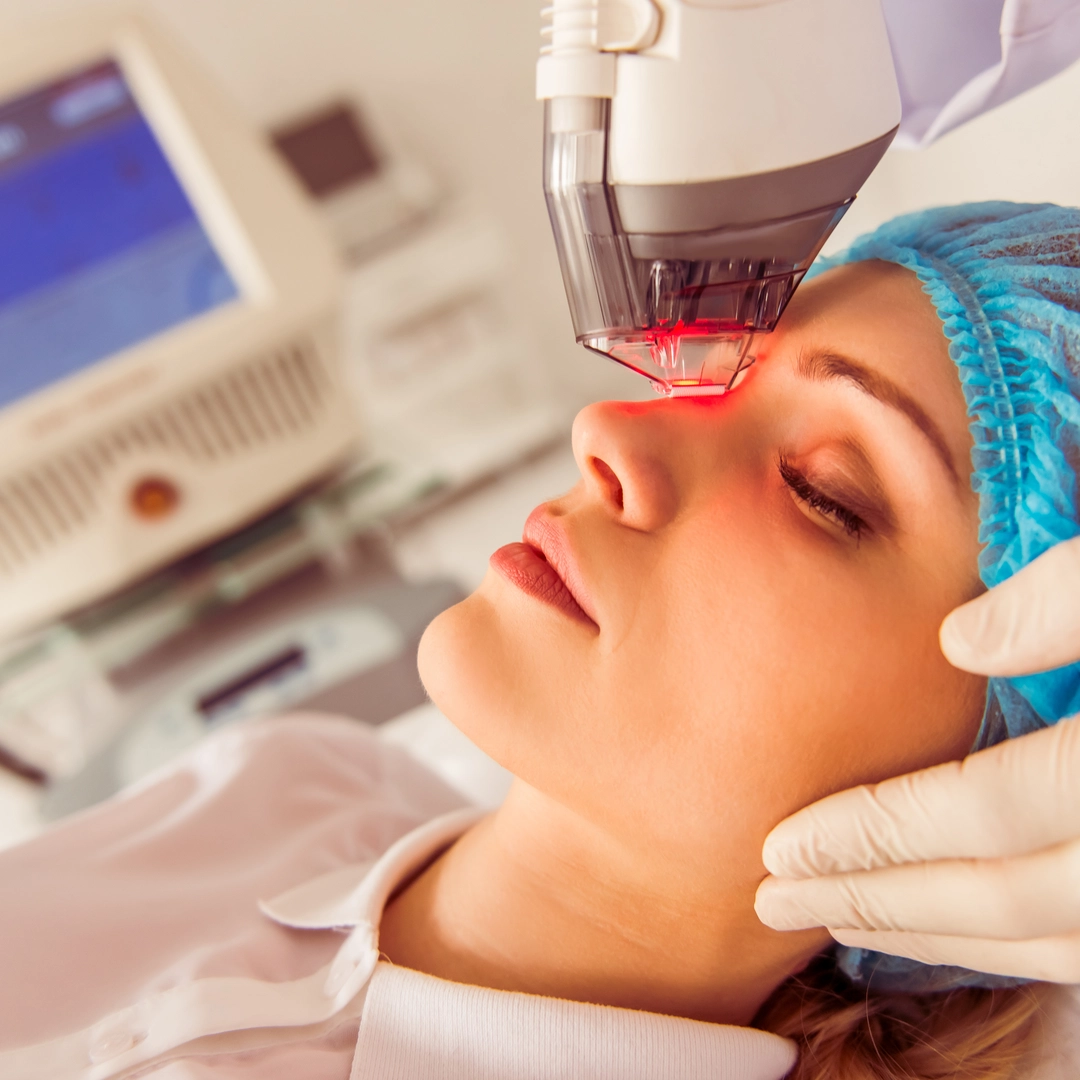 CO₂ laser can produce excellent results, but it has limitations.
It cannot:
- Replace a surgical facelift
- Replace surgical blepharoplasty for severe eyelid hooding
- Remove severe excess skin
- Fully eliminate deep scars in one session
- Completely erase stretch marks
- Permanently stop ageing
- Guarantee scar-free healing
- Guarantee pigmentation will not recur
- Remove deep fat or significant tissue heaviness
- Replace liposuction or surgical body contouring
Results vary depending on:
- Age
- Skin type
- Skin thickness
- Ethnicity
- Scar depth
- Stretch mark maturity
- Smoking status
- Sun exposure
- Hormonal pigmentation tendency
- Aftercare compliance
- Number of sessions performed
Key Benefits of CO₂ Laser
CO₂ laser treatment can offer:
- Significant skin resurfacing
- Collagen stimulation
- Smoother skin texture
- Reduction in fine lines
- Improvement in wrinkles
- Scar softening
- Stretch mark improvement
- Skin tightening
- Improved pore appearance
- More even skin tone
- Reduction in sun damage
- Long-term skin remodelling
- Natural-looking rejuvenation
Because CO₂ laser stimulates collagen, results continue to improve gradually after the initial healing phase.
Combination Treatments
CO₂ Laser + Endolift®
Ideal for patients with skin laxity, jowls, neck laxity, abdominal laxity, or inner arm laxity.
Endolift® helps target deeper tissue tightening and fat remodelling, while CO₂ laser improves surface texture and skin quality.
CO₂ Laser + Bio Remodelling / Bio Stimulator® / Bio Remodelling / Bio Stimulator® Body
Useful for crepey skin, skin dehydration, and mild residual laxity after tightening procedures.
Bio Remodelling / Bio Stimulator® improves hydration, elasticity, and skin quality, while CO₂ laser improves texture and collagen remodelling.
CO₂ Laser + Pico Laser
Useful when pigmentation is also present. Pico laser targets pigment, while CO₂ laser improves texture and resurfacing.
CO₂ Laser + PRF
PRF may support healing, recovery, and regenerative skin improvement.
CO₂ Laser + Medical Skincare
Prescription skincare, pigment suppressants, retinoids, antioxidants, and SPF can improve preparation, healing, and maintenance.
Your Treatment Journey
1. Consultation
Your journey begins with a detailed consultation. We assess:
- Skin type
- Pigmentation risk
- Medical history
- Treatment goals
- Previous treatments
- Scarring tendency
- Sun exposure
- Downtime availability
- Suitability for CO₂ laser
2. Skin Preparation
Depending on your skin type and indication, we may recommend a preparation phase before treatment. This may include:
- Daily SPF
- Pigment-suppressing creams
- Retinoids
- Gentle skin barrier repair
- Avoiding tanning
- Stopping active exfoliants before treatment
- Antiviral medication if you are prone to cold sores
3. Treatment Day
Before the procedure, the skin is cleansed and numbing cream may be applied. For deeper resurfacing, additional comfort measures may be used.
The laser is then passed over the treatment area using settings selected according to your skin type, indication, and treatment depth.
You may feel warmth, prickling, or heat during the treatment.
4. Immediately After Treatment
After treatment, the skin may feel hot, tight, swollen, and sunburn-like. Redness and pinpoint crusting are expected.
A healing balm or dressing may be applied depending on treatment depth.
5. Recovery Phase
Healing time varies depending on treatment depth and area treated. According to dermatology and plastic surgery sources, recovery after laser resurfacing may range from several days to around two weeks depending on treatment intensity. Typical recovery may include:
- Redness
- Swelling
- Warmth
- Dryness
- Peeling
- Bronzing
- Flaking
- Tightness
- Temporary sensitivity
6. Results Phase
Initial improvement is usually visible once the skin heals. Collagen remodelling then continues over the following weeks and months. Best results often develop gradually over:
- 4–6 weeks for early improvement
- 3–6 months for collagen remodelling
- Longer-term improvement with maintenance and skincare
What Results Can You Expect?
Results depend on the treatment area, concern, settings, skin type, and number of sessions.
You may notice:
- Smoother skin
- Brighter complexion
- Reduced fine lines
- Improved wrinkles
- Improved scars
- Softer stretch marks
- Tighter skin
- Reduced crepiness
- Improved pore appearance
- More even texture
- Fresher, healthier-looking skin
For scars, stretch marks, and body laxity, multiple sessions may be required.
How Many Sessions Are Needed?
This depends on the concern.
As a general guide:
- Fine lines and facial rejuvenation: 1–3 sessions
- Acne scars: 3–6 sessions
- Surgical scars: 2–5 sessions
- Stretch marks: 3–6 sessions
- Abdominal laxity: 2–4 sessions (usually combined with Endolift, Bio Remodelling / Bio Stimulator Body)
- Inner arm laxity: 2–4 sessions (usually combined with Endolift, Bio Remodelling / Bio Stimulator Body)
- Eyelid rejuvenation: 1–2 sessions
- Décolletage rejuvenation: 2–4 sessions
- Hand rejuvenation: 1–3 sessions (usually combined with Erbium Glass Laser, Bio Remodelling / Bio Stimulator)
Sessions are usually spaced several weeks apart depending on the treatment area and intensity.
Aftercare Advice
Immediately After Treatment
You should:
- Keep the area clean
- Apply recommended healing ointment
- Avoid touching or picking the skin
- Use cool compresses if advised
- Avoid heat, steam, sauna, and hot showers
- Avoid makeup until cleared by the clinic
- Avoid active skincare ingredients
- Avoid exercise for the advised period
- Sleep slightly elevated if the face has been treated
During Healing
You should avoid:
- Picking flakes or crusts
- Direct sun exposure
- Tanning beds
- Retinoids
- Acids
- Scrubs
- Vitamin C until advised
- Harsh cleansers
- Swimming pools
- Excessive sweating
Sun Protection
Strict sun protection is essential after CO₂ laser. Sun exposure after treatment can increase the risk of pigmentation, especially PIH. Dermatology guidance consistently stresses the importance of sun avoidance and protection after laser resurfacing. Use:
- Broad-spectrum SPF 50
- Physical sun protection
- Hats and shade
- Avoidance of peak sun hours
Long-Term Maintenance
To maintain results, we may recommend:
- Medical-grade skincare
- SPF 50 daily
- Retinoids when safe to restart
- Antioxidants
- Pigment suppressants if needed
- Maintenance laser sessions
- Combination collagen treatments
Treatment Summary
| Treatment | CO₂ Laser Resurfacing |
| Treatment type | Ablative fractional laser resurfacing |
| Best for | Wrinkles, scars, stretch marks, texture, laxity, sun damage |
| Anaesthetic | Numbing cream/local anaesthetic depending on area |
| Downtime | Usually several days to 2 weeks depending on intensity |
| Results | Progressive improvement over weeks to months |
| Number of sessions | 1–6 depending on concern |
| Suitable areas | Face, eyelids, neck, décolletage, hands, abdomen, arms, scars |
| Main risks | Redness, swelling, infection, PIH, scarring, delayed healing |
| Darker skin caution | Higher PIH risk; careful assessment required |
| Maintenance | SPF, skincare, possible yearly maintenance |
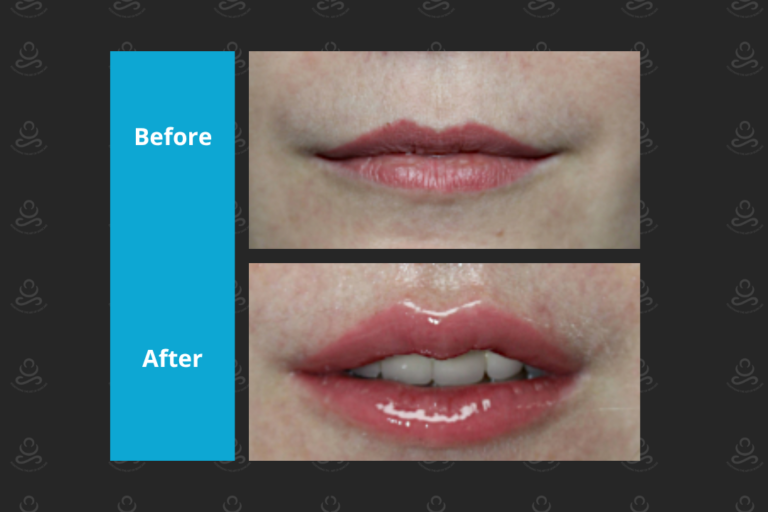
Before & After
Following a recent consultation with Mr Salahuddin to discuss various aesthetic treatments, including ebrium laser, c02 laser and endolift. I had my first session of ebrium laser treatment today. I can honestly say Mr Salahuddin's approach is excellent! He was very informative and went into great detail about each treatment, whilst remaining courteous, honest and professional at all times. We worked out a plan 'together' and he helped with any concerns I had. I am excited to start my journey with him and I have more than 100% faith in his ability as a medical professional to give me the results I want to achieve. I would highly recommend Mr Salahuddin, his expertise is second to none.
Joan Loudon