

Acne-Prone Skin, Breakouts and Redness
Specialist Treatment for Breakouts, Congestion, Redness and Sensitive Acne-Prone Skin
Acne-prone skin can be frustrating, uncomfortable and unpredictable. For some people, it appears as occasional breakouts. For others, it becomes a repeated cycle of blocked pores, inflamed spots, redness, irritation, post-acne marks and loss of confidence.
At Skin and Scar Care Clinic, we take a personalised approach to acne-prone skin. We assess oil production, congestion, inflammation, redness, sensitivity, hormones, lifestyle and previous treatments to create a tailored plan.
Our aim is to calm active breakouts, reduce redness, improve skin texture, support the skin barrier and minimise long-term marks or scarring.
Treatment may include:
- Medical-grade skincare
- Barrier repair support
- Salicylic acid
- Retinol or prescription retinoids
- Azelaic acid
- Prescription topical treatments
- Oral treatments where required
- 1726nm sebaceous gland laser (supportive role)
- DPL 430nm & 480nm light therapy (key treatment for inflammation and redness)
- Erbium Glass laser (key treatment for texture and early scarring)
- Long-term maintenance planning
What Is Acne-Prone Skin?
Acne-prone skin is skin that tends to develop blocked pores, blackheads, whiteheads, inflamed spots, redness or recurring congestion.
It is not caused by poor hygiene. In fact, over-cleansing and harsh products often worsen irritation and redness.
Acne-prone skin usually involves:
- Excess oil production
- Blocked pores
- Dead skin build-up
- Bacterial imbalance
- Inflammation
- Hormonal influence
- Skin barrier weakness
- Sensitivity
- Genetic factors
- Breakouts can affect the face, neck, chest, back and jawline.
Why Does This Condition Cause Redness?
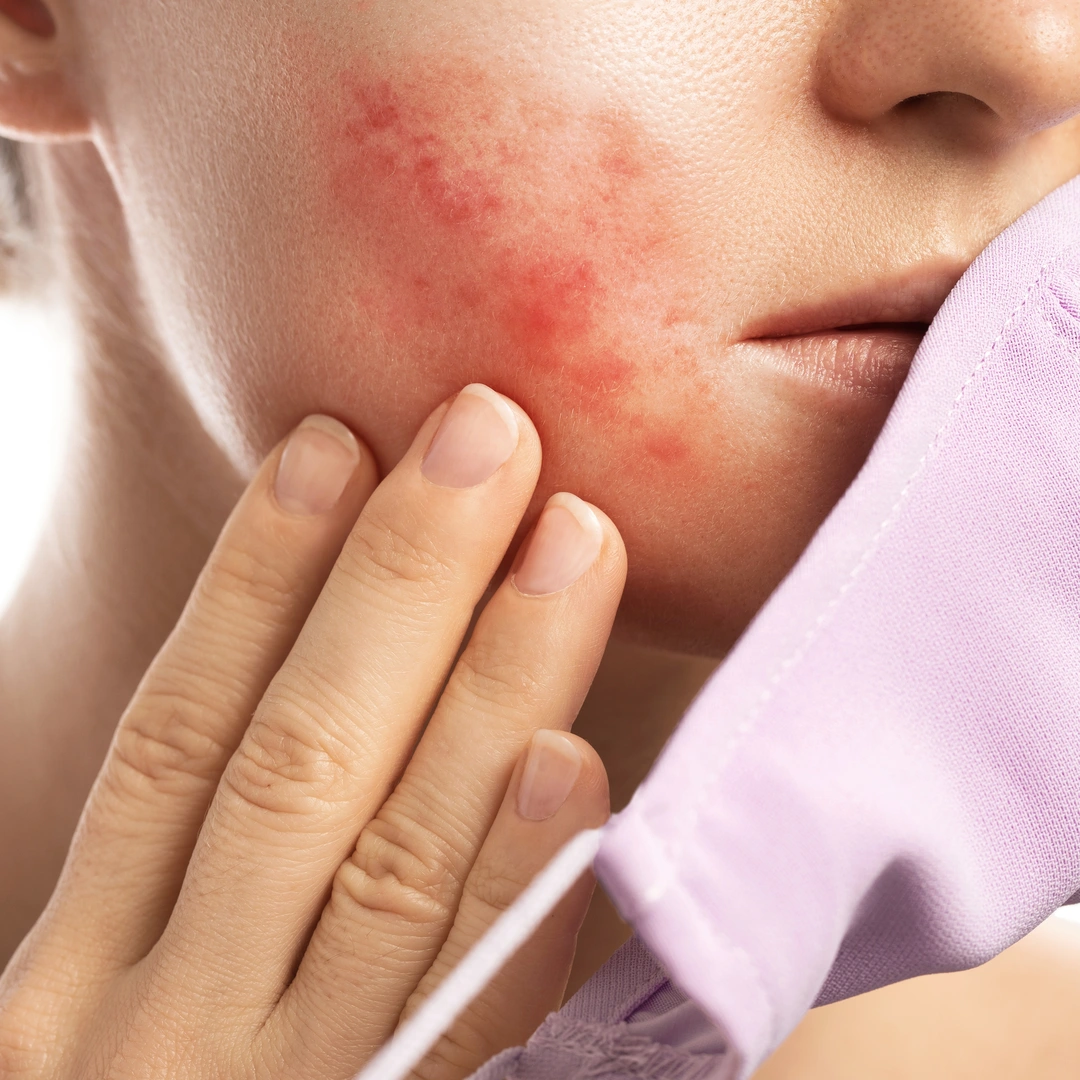 Redness is a key feature of acne-prone skin and may result from:
- Active inflammation
- Dilated blood vessels after breakouts
- Irritation from skincare
- Picking or squeezing
- Post-inflammatory erythema (red marks)
- Rosacea overlap
- Barrier damage
Persistent redness often requires targeted treatment rather than skincare alone.
Common Causes of Breakouts
1. Blocked Pores
Oil and dead skin cells clog follicles, leading to blackheads and spots.
2. Excess Oil Production
Higher sebum levels increase congestion risk.
3. Hormonal Changes
Hormones can trigger deeper breakouts, especially around the jawline.
4. Inflammation
Inflammation causes redness, swelling and discomfort.
5. Skin Barrier Damage
Overuse of harsh products weakens the skin and worsens irritation.
6. Skincare Products
Heavy or pore-clogging products can aggravate breakouts.
7. Lifestyle Factors
Stress, diet, sleep and environmental factors may contribute.
8. Picking
Increases inflammation and risk of scarring.
Skincare for Acne-Prone and Red Skin
Morning Routine
- Gentle cleanser
- Targeted treatment (e.g. azelaic acid)
- Lightweight moisturiser
- SPF
Evening Routine
- Cleanse
- Retinol or prescribed treatment
- Moisturiser
Topical Treatments
Salicylic Acid
Helps unclog pores and reduce congestion.
Retinoids
Improve cell turnover and prevent blocked pores.
Azelaic Acid
Reduces redness, inflammation and pigmentation.
Topical Antibiotics
Used short-term for inflammatory breakouts.
Systemic Treatments
For moderate to severe cases:
- Oral antibiotics
- Hormonal treatments
- Isotretinoin (specialist use)
Laser and Light-Based Treatments
Modern laser and light therapies play a major role in managing acne-prone skin, particularly for inflammation, redness and early scarring.
At Skin and Scar Care Clinic, the primary focus is on DPL light therapy and Erbium Glass laser, with 1726nm used selectively.
DPL 430nm & 480nm for Acne and Redness
DPL (Dynamic Pulsed Light) using 430nm and 480nm wavelengths is a key treatment for acne-prone skin.
These wavelengths target:
- Acne-causing bacteria
- Inflammation
- Redness and vascular changes
Benefits of DPL
- Reduces active inflammatory breakouts
- Targets acne bacteria
- Improves redness and post-acne marks
- Calms sensitive, reactive skin
- Minimal downtime
- Suitable for ongoing maintenance
DPL is particularly effective for patients with red, inflamed acne or persistent redness after breakouts.
Erbium Glass Laser for Texture and Early Scarring
Erbium Glass laser is a non-ablative fractional laser that works beneath the skin surface to stimulate collagen and repair.
It is a key treatment for improving skin quality after acne.
Benefits of Erbium Glass
- Improves skin texture
- Reduces pore appearance
- Supports collagen production
- Helps early acne scarring
- Smooths uneven skin
- Low downtime
This treatment is ideal once inflammation is controlled and the focus shifts to skin refinement and scar prevention.
1726nm Laser
The 1726nm laser targets sebaceous glands to reduce oil production. It is used in acne prone cases and is emerging as useful treatment
Combination Treatment Approach
Best results are achieved with a combined plan:
- Skincare for daily control
- DPL 430nm & 480nm for inflammation and redness
- Erbium Glass for texture and early scarring
- Medical treatments where needed
Treatment Timeline
Weeks 0–2
Barrier repair and skin stabilisation
Weeks 2–6
Introduction of active treatments and DPL for inflammation
Weeks 6–12
Reduction in breakouts and redness
Months 3–6
Focus on texture, marks and early scarring with Erbium Glass
Laser Treatment Course
- 4–6 sessions
- Spaced every 2–4 weeks
Maintenance
- Ongoing skincare
- Periodic DPL for redness control
- Erbium Glass for texture maintenance
What Results Can You Expect
Treatment may improve:
- Breakout frequency
- Redness and inflammation
- Oil control
- Post-acne marks
- Skin texture
- Early scarring
- Overall skin clarity
Acne can often be controlled effectively with the right long-term approach.
Following a recent consultation with Mr Salahuddin to discuss various aesthetic treatments, including ebrium laser, c02 laser and endolift. I had my first session of ebrium laser treatment today. I can honestly say Mr Salahuddin's approach is excellent! He was very informative and went into great detail about each treatment, whilst remaining courteous, honest and professional at all times. We worked out a plan 'together' and he helped with any concerns I had. I am excited to start my journey with him and I have more than 100% faith in his ability as a medical professional to give me the results I want to achieve. I would highly recommend Mr Salahuddin, his expertise is second to none.
Joan Loudon